
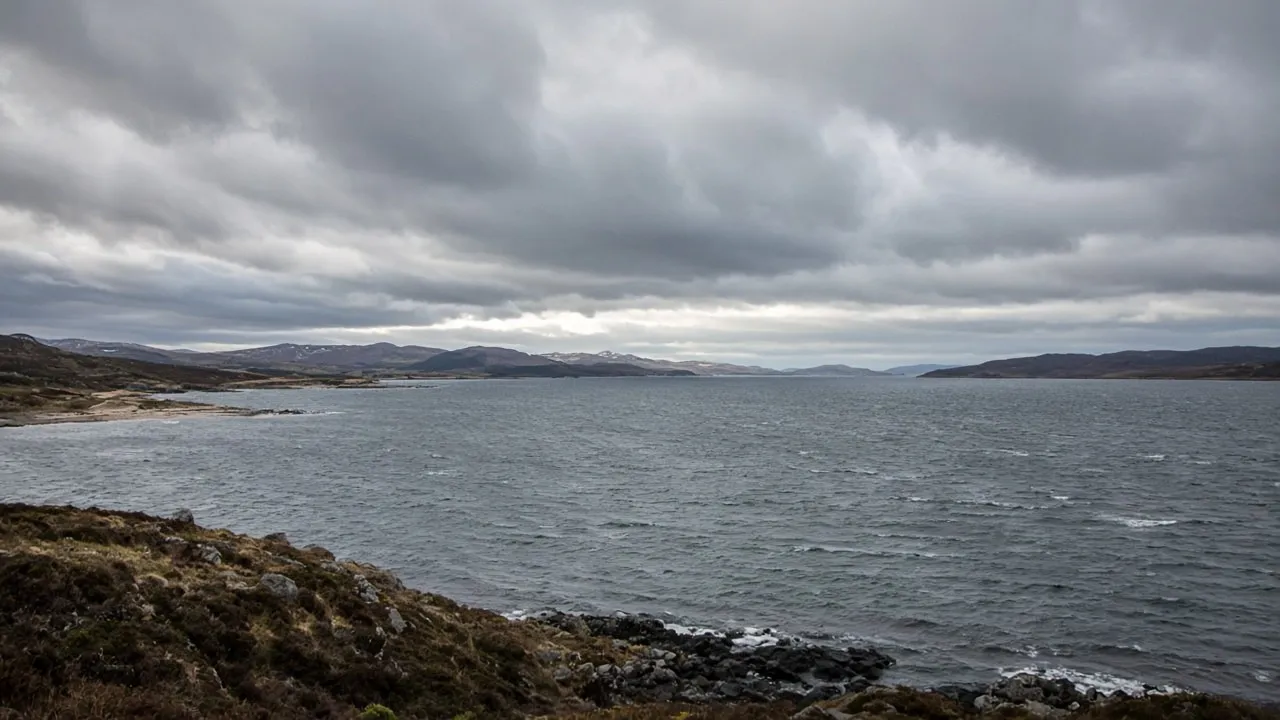
The firth is broad water, not a sheltered loch between steep hills. Weather comes along it. Houses toward the water — the north of the city, Merkinch as it turns to the firth, and open ground with little in front of it — take that weather on the glass. A street in the centre, closed in by stone buildings, does not take the same load on every elevation.
Three kinds of exposure in the city
Toward the firth, the question is wind-driven rain finding the seals, the sill and any gap at the head of the frame. A window can be new and still leak if the opening was not detailed for that face.
Culloden and the eastern edge sit further from the river gorge of the centre. Many of those houses are later, and many of them are more open to the sky. The elevation that faces the weather is the one to describe, not an average of the whole house.
Higher ground west of the river, around Scorguie and up toward Kinmylies, lifts some houses above the streets by the Ness. Height is not a number this article will invent. It is a reason the survey stands outside and looks at what the site actually catches.
What that asks of the glass
A standard sealed unit is still the right answer on plenty of these houses, on the sheltered elevations especially. Where the glass is large, or the face is the one that takes the weather, a third pane is worth a proper look because of the extra layer and the extra weight, not because a leaflet said so. That comparison lives on thetriple glazing page. This article does not publish a wind speed, a U-value, or a warrant rule.
Tell the form which way the house faces. The surveyor confirms what the property needs.